Different martial arts are popular in our time. In particular, universal fighting system (UFS) which promotes a mix of fighting styles and bouts. But very few people know about Nippon Kempo (jp:日本拳法) system. It was the first system of the full-contact mix fighting in 1930s in the motherland of Samurai Japan. The founder of the Japanese hand-to-hand fighting which became Nippon kempo was Masaru Sawayama.
ADVANTAGES OF NIPPON KEMPO
 | FULL CONTACT Sparring is carried out at full strength, without holding back blows and techniques, which allows you to quickly develop the correct reflexes for a real fight. |
| MIXED MARTIAL ARTS They also teach kicks and punches (including elbows and knees), throws (as in judo and sambo), and finishing moves on the ground. Weapons training (sticks, ropes, knives, and firearms) is also taught. |
| | PSYCHOLOGICAL TRAINING Full contact in armor helps eliminate fear of attack and aggression from the enemy. The student gradually adapts to combat stress and learns to operate under physical and psychological pressure. |
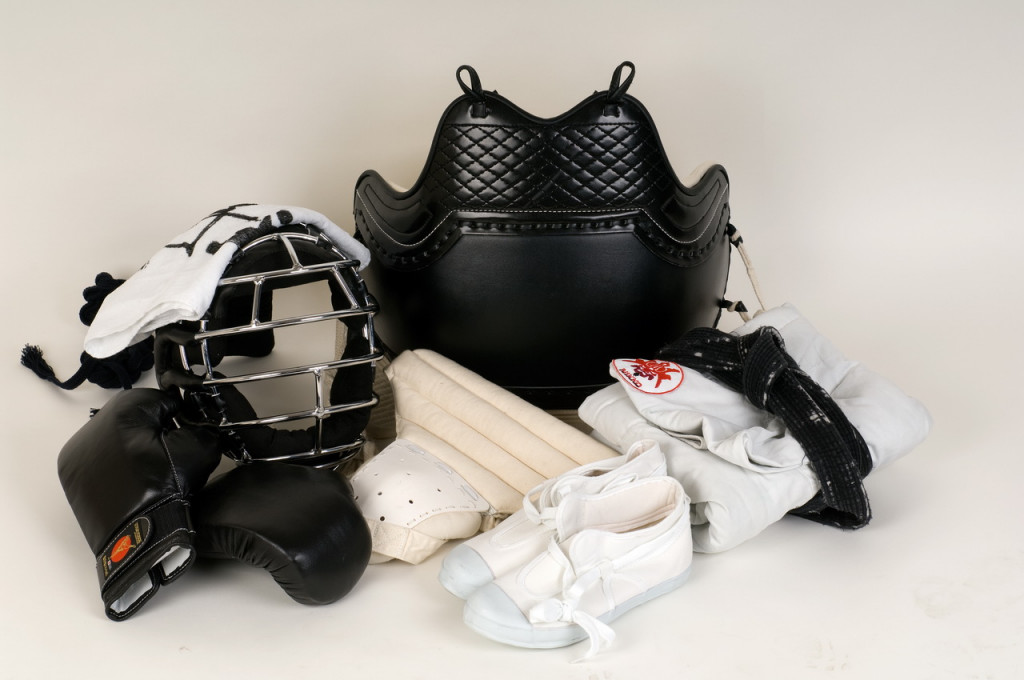
| | PROTECTION Fighters use specialized armor (helmet, chest protector, groin protector, gloves). This protection allows them to spar at full strength. |
| | TRAINING REALISM Constant sparring with various resistant partners quickly develops a sense of distance, timing, reflexes, reaction time, and the ability to withstand blows. A person learns to fight not "from a textbook," but in the real world. |
| NO INJURIES Protective equipment reduces the risk of serious injury, allowing you to truly practice without holding back your strikes. This makes Nippon Kempo accessible even to beginners who want to learn applied combat without excessive risk. |
HISTORY OF NIPPON KEMPO
ABOUT NIPPON KEMPO
Программа для начинающих
Программа рассчитана обучение базовому поведению в прикладном рукопашном бою. Время проведения программы - 5 месяцев обучения. По окончании ученик получает базовые навыки реального рукопашного боя:
- основные виды стоек и боевых позиций;
- страховки и самостраховки;
- 5 основных ударов ногами и руками (в том числе кулаком, локтем и коленом);
- 5 основных блоков руками;
- 7 вариантов уходов и уклонов;
- 15 вариантов бросков подсечкой, зацепом, подножкой;
- болевые контроли противника;
- систематику тренировок
BOOKS